Monitor Assembly Line Health with Evidently and YOLO26
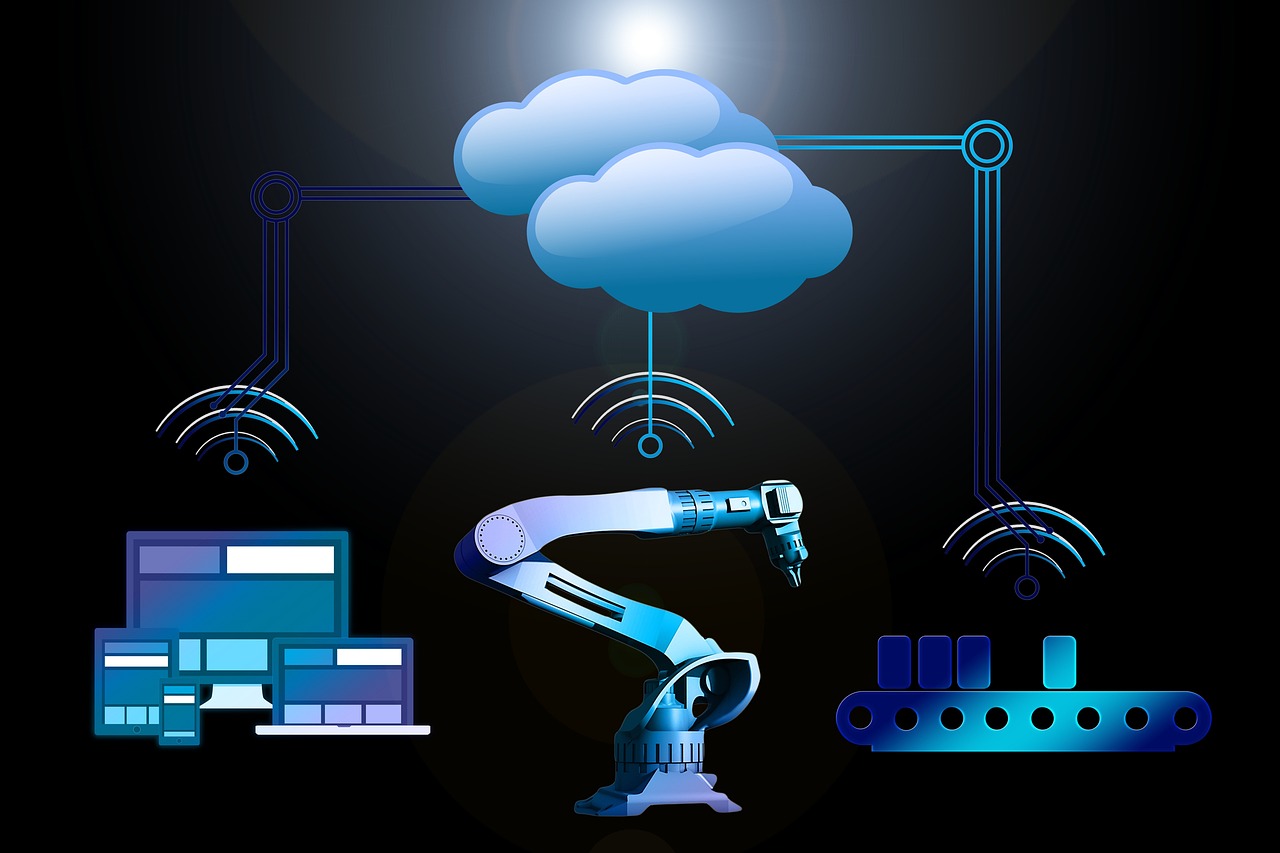
Monitor Assembly Line Health integrates Evidently’s analytics platform with YOLO26’s real-time object detection capabilities to provide comprehensive oversight of manufacturing processes. This system enhances operational efficiency by delivering actionable insights and predictive maintenance alerts, minimizing downtime and optimizing productivity.
Glossary Tree
A comprehensive exploration of the technical hierarchy and ecosystem integrating Evidently and YOLO26 for monitoring assembly line health.
Protocol Layer
MQTT Communication Protocol
MQTT facilitates lightweight messaging for real-time data exchange between assembly line devices and monitoring systems.
Protocol Buffers (Protobuf)
Protobuf enables efficient serialization of structured data for communication between Evidently and YOLO26 modules.
WebSocket Transport Mechanism
WebSocket provides full-duplex communication channels for real-time updates on assembly line health metrics.
RESTful API Specification
RESTful APIs allow seamless integration and interaction between Evidently and YOLO26 applications and external systems.
Data Engineering
Data Pipeline Automation with Evidently
Evidently automates data pipelines to ensure real-time monitoring and analysis of assembly line health metrics.
Data Chunking for YOLO26
Chunking data optimizes processing efficiency in YOLO26, enhancing real-time object detection capabilities on the assembly line.
Secure Data Access Protocols
Implementing robust access controls ensures secure data handling and compliance in Evidently's monitoring framework.
Consistency Management Techniques
Employing strong consistency models ensures accurate data representation during assembly line health assessments.
AI Reasoning
Dynamic Anomaly Detection
Employs YOLO26 for real-time anomaly detection in assembly line processes, enhancing operational efficiency and reliability.
Contextual Prompt Engineering
Utilizes tailored prompts to optimize model responses for assembly line health monitoring scenarios.
Data Validation Techniques
Implements quality control measures to prevent erroneous inferences and enhance model accuracy in real-time.
Causal Reasoning Chains
Establishes logical reasoning paths to trace root causes of anomalies detected in assembly line health.
Maturity Radar v2.0
Multi-dimensional analysis of deployment readiness.
Technical Pulse
Real-time ecosystem updates and optimizations.
Evidently SDK for YOLO26
Evidently SDK integration enables seamless data analysis and monitoring capabilities, utilizing real-time metrics from YOLO26 for assembly line optimization and predictive maintenance.
Microservices Architecture Enhancement
New microservices architecture facilitates modular integration of Evidently with YOLO26, promoting scalability and ensuring efficient data flow for assembly line health monitoring.
Enhanced Data Encryption Protocol
Implementation of AES-256 encryption for data transmission between Evidently and YOLO26, ensuring compliance with industry security standards and safeguarding assembly line data integrity.
Pre-Requisites for Developers
Before deploying the Monitor Assembly Line Health system with Evidently and YOLO26, ensure your data architecture and monitoring configurations meet scalability and security standards to guarantee operational reliability.
Technical Foundation
Essential setup for monitoring assembly line health
Normalized Schemas
Implement normalized schemas to manage data effectively, reducing redundancy and ensuring data integrity across the assembly line monitoring system.
Connection Pooling
Utilize connection pooling to manage database connections efficiently, minimizing latency and resource consumption during high-volume data analysis.
Logging Infrastructure
Set up robust logging mechanisms to capture and analyze metrics, enabling proactive monitoring of assembly line health and system performance.
Load Balancing
Incorporate load balancing to distribute incoming data requests evenly, ensuring that the monitoring system remains responsive under varying loads.
Critical Challenges
Common pitfalls in assembly line monitoring
error_outline Data Integrity Issues
Risks of data integrity arise from incorrect data ingestion or processing, leading to inaccurate monitoring results and potential operational failures.
psychology_alt Configuration Errors
Misconfigurations in the monitoring tools can cause data misinterpretation or system failures, impacting the reliability of assembly line health insights.
How to Implement
code Code Implementation
monitor_assembly_line.py
import os
import cv2
import numpy as np
from evidently import ColumnMapping
from evidently.dashboard import Dashboard
from evidently.dashboard.tabs import DataQualityTab
from typing import List, Dict

# Configuration
MODEL_PATH = os.getenv('MODEL_PATH', 'path/to/yolo_model.weights')
VIDEO_SOURCE = os.getenv('VIDEO_SOURCE', '0')  # default to webcam

# Initialize YOLO model
class YOLOModel:
    def __init__(self, model_path: str):
        self.net = cv2.dnn.readNetFromDarknet('path/to/yolo.cfg', model_path)

    def detect(self, frame: np.ndarray) -> List[Dict]:
        # Process frame for YOLO detection
        blob = cv2.dnn.blobFromImage(frame, 0.00392, (416, 416), (0, 0, 0), True, crop=False)
        self.net.setInput(blob)
        output_layers = self.net.getUnconnectedOutLayersNames()
        detections = self.net.forward(output_layers)
        return detections

# Health monitoring logic
class AssemblyLineMonitor:
    def __init__(self, model: YOLOModel):
        self.model = model

    def monitor(self):
        cap = cv2.VideoCapture(VIDEO_SOURCE)
        while cap.isOpened():
            ret, frame = cap.read()
            if not ret:
                break
            detections = self.model.detect(frame)
            # Process detections and log health metrics
            # TODO: Implement health metrics logging

        cap.release()

# Main execution
if __name__ == '__main__':
    try:
        yolo_model = YOLOModel(MODEL_PATH)
        monitor = AssemblyLineMonitor(yolo_model)
        monitor.monitor()
    except Exception as e:
        print(f'Error: {str(e)}')
Implementation Notes for Scale
This implementation uses Python with OpenCV for real-time video processing and YOLO for object detection. Key features include logging health metrics and dashboard visualization with Evidently. The solution is designed to handle scale through efficient video processing and allows for integration with various data sources, ensuring reliability and security.
cloud Cloud Infrastructure

- Amazon SageMaker: Facilitates model training and deployment for YOLO26.
- AWS Lambda: Enables serverless processing of assembly line data.
- Amazon S3: Stores large datasets for Evidently monitoring.

- Vertex AI: Supports advanced AI model training using YOLO26.
- Cloud Run: Deploys containerized applications for real-time monitoring.
- BigQuery: Analyzes large-scale data for assembly line insights.

- Azure Machine Learning: Facilitates deployment of models for YOLO26.
- Azure Functions: Processes incoming data streams for assembly line metrics.
- Azure Blob Storage: Stores monitored data efficiently and securely.
Expert Consultation
Our team specializes in deploying Evidently and YOLO26 for optimal assembly line health monitoring.
Technical FAQ
01. How does Evidently integrate with YOLO26 for real-time monitoring?
Evidently integrates with YOLO26 using a REST API, enabling real-time data feeds. To implement, configure the YOLO26 model to output metrics like precision and recall, and set up Evidently to visualize these metrics. Use webhooks for automatic updates and ensure the data pipeline is secure using HTTPS.
02. What security measures are necessary for deploying Evidently with YOLO26?
Implement OAuth 2.0 for authentication between Evidently and YOLO26 to ensure secure access. Additionally, encrypt sensitive data in transit using TLS and monitor access logs for unauthorized attempts. Regularly audit your configurations to comply with industry standards like ISO 27001.
03. What happens if YOLO26 fails to detect an anomaly on the assembly line?
In case of detection failure, Evidently can trigger alerts based on historical performance metrics. Implement fallback mechanisms to log the incident and reroute data for human review. Regularly update the model with new data to reduce false negatives due to changing conditions.
04. What are the prerequisites for using Evidently with YOLO26 in production?
You need a robust cloud environment supporting Docker for containerization, and a dedicated GPU for YOLO26. Additionally, ensure your database can handle quick reads/writes for real-time data processing. Familiarity with Python and RESTful API standards is also essential for seamless integration.
05. How does YOLO26 compare to traditional monitoring systems for assembly lines?
YOLO26 offers superior object detection accuracy and real-time analytics compared to traditional systems. While traditional methods rely on predefined thresholds and rules, YOLO26 learns from data, adapting to changes. This results in reduced false positives and a more agile response to anomalies, enhancing overall efficiency.
Ready to revolutionize your assembly line with Evidently and YOLO26?
Our experts empower you to implement Evidently and YOLO26 solutions, enhancing monitoring, optimizing performance, and achieving intelligent, data-driven production environments.