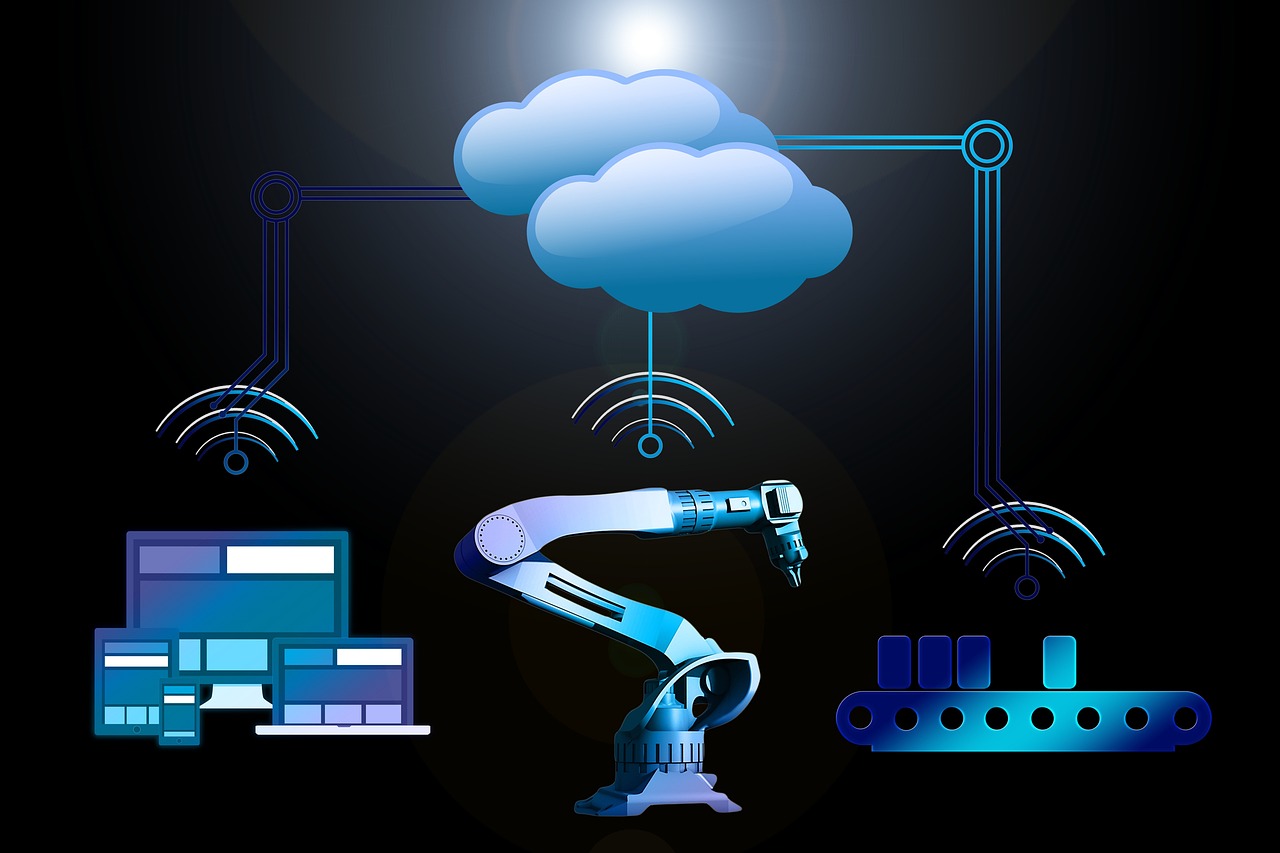
Automate Pipeline Workflows with ZenML and Azure Digital Twins SDK
Automate Pipeline Workflows with ZenML and Azure Digital Twins SDK provides a robust integration that connects machine learning workflows with digital twin technology. This synergy enables real-time monitoring and enhanced automation of complex processes, driving operational efficiency in dynamic environments.
Glossary Tree
Explore the technical hierarchy and ecosystem of ZenML and Azure Digital Twins SDK for automating comprehensive pipeline workflows.
Protocol Layer
RESTful API for Azure Digital Twins
Enables seamless interaction with Azure Digital Twins services through standardized HTTP requests and responses.
Message Queuing Telemetry Transport (MQTT)
Lightweight messaging protocol used for sending telemetry data in real-time from devices to cloud.
JSON Data Format
Standard data interchange format for representing structured data in a human-readable way.
gRPC for Microservices Communication
High-performance RPC framework enabling efficient communication between ZenML components and Azure services.
Data Engineering
Data Pipeline Automation with ZenML
ZenML orchestrates automated data pipelines, enabling reproducible and scalable machine learning workflows.
Data Chunking for Azure Digital Twins
Chunking in Azure Digital Twins optimizes data transfer and processing by handling large datasets in manageable segments.
Role-Based Access Control (RBAC)
RBAC in Azure ensures secure data access, allowing users to interact with digital twin data based on permissions.
Transactional Integrity in Data Flows
Transactional integrity maintains data consistency across processing stages in ZenML workflows, enhancing reliability and accuracy.
AI Reasoning
Dynamic Inference Mechanism
Utilizes real-time data from Azure Digital Twins to enhance pipeline decision-making and outcomes.
Contextual Prompt Engineering
Crafts tailored prompts to leverage Azure's digital twin insights for optimized task execution.
Hallucination Mitigation Techniques
Employs validation layers to ensure AI outputs align with real-world data from digital twins.
Multi-Step Reasoning Chains
Establishes sequential logic paths for complex decision-making in automated workflows.
Maturity Radar v2.0
Multi-dimensional analysis of deployment readiness.
Technical Pulse
Real-time ecosystem updates and optimizations.
ZenML Azure SDK Integration
Integrating ZenML with Azure Digital Twins SDK enables seamless data orchestration and automated pipeline workflows, leveraging Azure's cloud capabilities for real-time digital twin management.
Event-Driven Workflow Design
Adopting an event-driven architecture to automate workflows enhances scalability and responsiveness in ZenML pipelines, efficiently connecting Azure Digital Twins with real-time data streams.
Enhanced Authentication Protocols
Implementing OAuth 2.0 with Azure Active Directory ensures secure access to ZenML pipelines, protecting sensitive data and ensuring compliance with industry standards.
Pre-Requisites for Developers
Before deploying Automate Pipeline Workflows with ZenML and Azure Digital Twins SDK, ensure your data architecture, security protocols, and integration mechanisms adhere to these critical production standards for reliability and scalability.
Technical Foundation
Essential Setup for Automated Workflows
Normalized Schemas
Implement normalized schemas to ensure data integrity and reduce redundancy in Azure Digital Twins, facilitating efficient queries and updates.
Environment Variables
Set environment variables for ZenML and Azure SDK configurations, ensuring secure and flexible access to resources and services.
Connection Pooling
Utilize connection pooling for Azure Digital Twins SDK to manage database connections efficiently, enhancing application performance under load.
Logging Mechanisms
Implement comprehensive logging mechanisms to track pipeline execution and errors, aiding troubleshooting and performance optimization.
Common Pitfalls
Risks in Automated Pipeline Implementation
error_outline Configuration Errors
Misconfigured environment variables or connection strings can lead to authentication failures, causing disruptions in automated workflows and data access.
warning Data Integrity Issues
Incorrect data mapping between ZenML and Azure can lead to data loss or corruption, impacting the reliability of automated processes and analytics.
How to Implement
code Code Implementation
pipeline_automation.py
"""
Production implementation for automating pipeline workflows using ZenML and Azure Digital Twins SDK.
Provides secure, scalable operations to integrate and process digital twin data efficiently.
"""

from typing import Dict, Any, List
import os
import logging
import time
import json
from azure.digitaltwins import DigitalTwinsClient
from azure.identity import DefaultAzureCredential

# Set up logging
logging.basicConfig(level=logging.INFO)
logger = logging.getLogger(__name__)

class Config:
    """
    Configuration class for environment variables.
    """
    def __init__(self):
        self.azure_twin_url: str = os.getenv('AZURE_TWIN_URL')
        self.zenml_repo_url: str = os.getenv('ZENML_REPO_URL')

config = Config()

async def validate_input(data: Dict[str, Any]) -> bool:
    """Validate input data for pipeline processing.

    Args:
        data: Input dictionary containing pipeline parameters.
    Returns:
        True if valid, raises ValueError otherwise.
    Raises:
        ValueError: If validation fails.
    """
    if 'pipeline_id' not in data:
        raise ValueError('Missing pipeline_id in input data.')
    return True

async def sanitize_fields(data: Dict[str, Any]) -> Dict[str, Any]:
    """Sanitize input fields to prevent security issues.

    Args:
        data: Raw input data dictionary.
    Returns:
        Cleaned input data dictionary.
    """
    # Here we would sanitize the fields to remove any harmful input
    return {k: str(v).strip() for k, v in data.items()}

async def fetch_data(twin_id: str) -> Dict[str, Any]:
    """Fetch data from Azure Digital Twins.

    Args:
        twin_id: Unique identifier for the digital twin.
    Returns:
        Dictionary representation of the digital twin data.
    Raises:
        Exception: If data fetching fails.
    """
    try:
        credential = DefaultAzureCredential()
        client = DigitalTwinsClient(config.azure_twin_url, credential)
        twin_data = client.get_digital_twin(twin_id)
        return json.loads(twin_data)
    except Exception as e:
        logger.error(f'Error fetching data: {str(e)}')
        raise

async def transform_records(data: List[Dict[str, Any]]) -> List[Dict[str, Any]]:
    """Transform raw records into a structured format.

    Args:
        data: List of raw records from Azure.
    Returns:
        List of structured records after transformation.
    """
    # Example transformation logic
    return [{'id': record['id'], 'value': record['value']} for record in data]

async def process_batch(records: List[Dict[str, Any]]) -> None:
    """Process a batch of records and save results.

    Args:
        records: List of records to process.
    """
    for record in records:
        logger.info(f'Processing record: {record}')
        # Imagine saving to a database or further processing

async def aggregate_metrics(records: List[Dict[str, Any]]) -> Dict[str, Any]:
    """Aggregate metrics from processed records.

    Args:
        records: List of processed records.
    Returns:
        Dictionary containing aggregated metrics.
    """
    # Sample aggregation logic
    return {'total_records': len(records)}

async def save_to_db(data: Dict[str, Any]) -> None:
    """Save processed data to a database.

    Args:
        data: Data to be saved.
    """
    # Placeholder for database save logic
    logger.info(f'Saving data to database: {data}')

async def handle_errors(error: Exception) -> None:
    """Handle errors that occur during processing.

    Args:
        error: Exception raised during processing.
    """
    logger.error(f'Handling error: {str(error)}')

class PipelineOrchestrator:
    """Main orchestrator for pipeline execution.
    """
    async def execute_pipeline(self, data: Dict[str, Any]) -> None:
        """Execute the entire pipeline workflow.

        Args:
            data: Input data for the pipeline.
        """
        try:
            await validate_input(data)
            sanitized_data = await sanitize_fields(data)
            twin_data = await fetch_data(sanitized_data['twin_id'])
            transformed_records = await transform_records(twin_data)
            await process_batch(transformed_records)
            metrics = await aggregate_metrics(transformed_records)
            await save_to_db(metrics)
        except Exception as e:
            await handle_errors(e)

if __name__ == '__main__':
    # Example usage
    import asyncio
    example_data = {'pipeline_id': '12345', 'twin_id': 'twin_id_example'}
    orchestrator = PipelineOrchestrator()
    asyncio.run(orchestrator.execute_pipeline(example_data))
Implementation Notes for Scale
This implementation utilizes the ZenML framework for orchestrating data pipelines and the Azure Digital Twins SDK for data retrieval and management. Key features include connection pooling, input validation, and extensive logging for monitoring and debugging. The architecture supports a clean separation of concerns through helper functions, improving maintainability and readability. The data flow involves validation, transformation, and processing stages, ensuring reliability and performance in production environments.
cloud Cloud Infrastructure
- Azure Functions: Serverless execution for automated pipeline tasks.
- Azure Digital Twins: Modeling IoT environments for enhanced data insights.
- Azure Kubernetes Service: Manage containerized applications for scalable workflows.

- AWS Lambda: Run code in response to events for automation.
- Amazon S3: Store and retrieve data generated by ZenML.
- Amazon ECS: Deploy and manage containerized applications seamlessly.

- Cloud Run: Deploy containerized applications with auto-scaling.
- BigQuery: Analyze large datasets generated by workflows.
- Vertex AI: Build machine learning models for predictive insights.
Expert Consultation
Our team specializes in automating workflows with ZenML and Azure Digital Twins, ensuring efficient deployment and management.
Technical FAQ
01. How does ZenML integrate with Azure Digital Twins SDK for pipeline automation?
ZenML streamlines the integration by using custom steps to interact with Azure Digital Twins SDK. You can define data ingestion from Azure, specify transformation steps, and orchestrate workflows using ZenML's pipeline decorators, facilitating seamless collaboration between data science and digital twin models.
02. What authentication mechanisms are supported in Azure Digital Twins with ZenML?
Azure Digital Twins SDK supports Azure AD for authentication. You can configure ZenML to use service principals, ensuring secure access. Implement token-based authentication in your pipeline steps to comply with security best practices and maintain access control for sensitive data.
03. What happens if the Azure Digital Twins instance is unavailable during a workflow run?
If the Azure Digital Twins instance is unavailable, ZenML's error handling mechanism can be utilized to implement retries or fallback strategies. You can set up error callbacks to log failures, trigger notifications, or revert changes, ensuring the workflow remains robust against transient failures.
04. What are the prerequisites for using ZenML with Azure Digital Twins SDK?
To use ZenML with Azure Digital Twins SDK, ensure you have an Azure subscription, the Azure Digital Twins service set up, and ZenML installed in your Python environment. Additionally, install necessary dependencies like the Azure SDK for Python to facilitate interactions with the digital twin models.
05. How does ZenML's workflow management compare to Azure Logic Apps?
ZenML offers a code-centric approach to building pipelines, allowing for greater flexibility in data processing and model integration, while Azure Logic Apps provides a visual interface for workflow automation. ZenML is ideal for developers seeking custom solutions, whereas Logic Apps suits those preferring low-code environments.
Ready to revolutionize your workflows with ZenML and Azure Digital Twins SDK?
Our experts empower you to automate pipeline workflows, enhancing efficiency and scalability while ensuring robust data integration and intelligent insights.