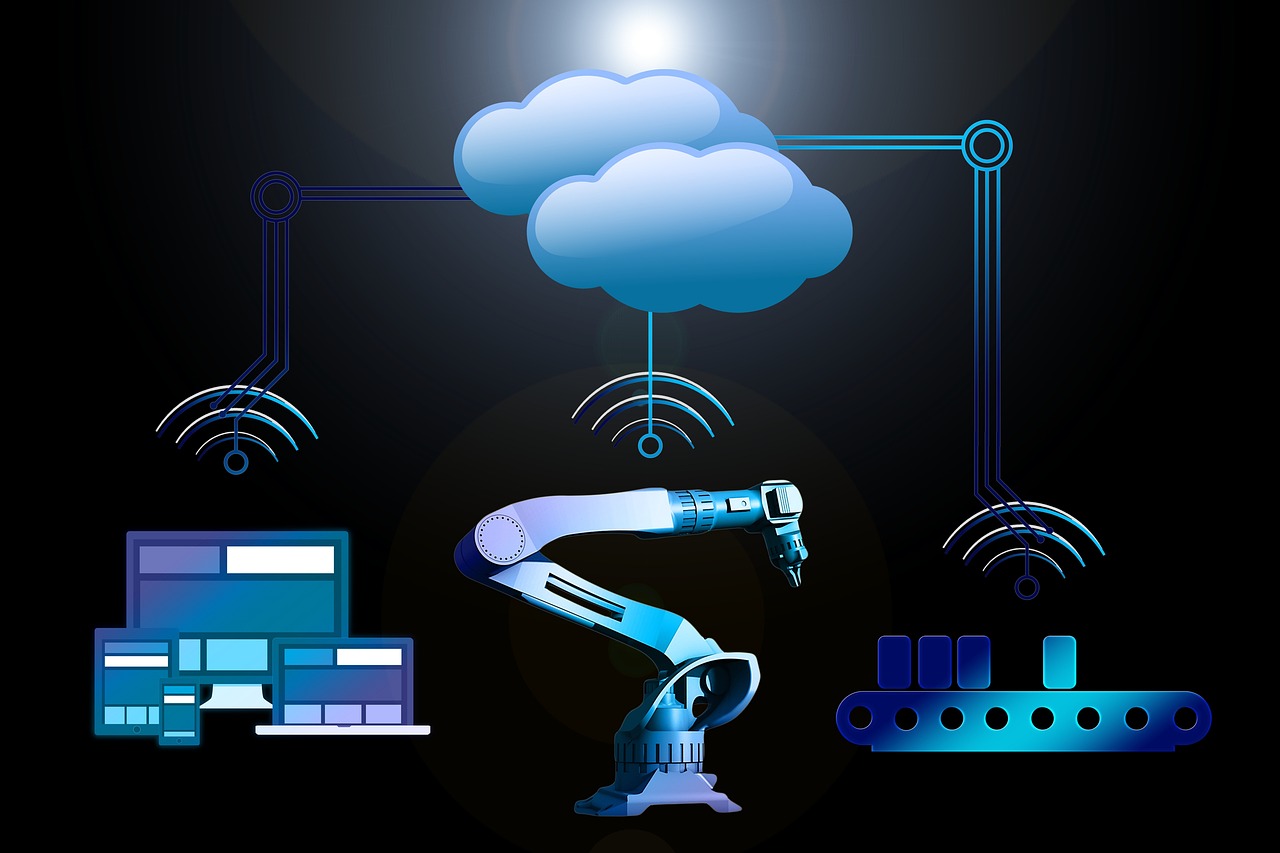
Forecast Equipment Maintenance Windows with TimesFM and XGBoost
Forecast Equipment Maintenance Windows utilizes TimesFM and XGBoost to provide predictive analytics for optimal maintenance scheduling. This integration enhances operational efficiency by minimizing downtime and ensuring timely interventions, ultimately driving cost savings and reliability.
Glossary Tree
Explore the technical hierarchy and ecosystem of TimesFM and XGBoost for forecasting equipment maintenance windows in a comprehensive manner.
Protocol Layer
RESTful API for TimesFM Integration
Facilitates communication between TimesFM and external systems using standard HTTP methods and JSON data formatting.
XGBoost Model Serialization Protocol
Defines data interchange formats for serialized XGBoost models, ensuring compatibility across different environments.
MQTT for Real-time Data Streaming
Lightweight messaging protocol used for real-time equipment data transmission to optimize maintenance forecasting.
JSON for Data Representation
Standard format for structuring data exchanged between TimesFM and analytical tools, promoting interoperability.
Data Engineering
Time Series Database Management
Utilizes specialized time series databases to efficiently store and query maintenance data for equipment forecasting.
XGBoost Hyperparameter Optimization
Refines predictive model accuracy by optimizing hyperparameters in XGBoost algorithms for maintenance forecasting.
Data Encryption in Transit
Secures sensitive maintenance data during processing through robust encryption protocols and data transmission methods.
ACID Transactions in Data Processing
Ensures data integrity and consistency during maintenance window analysis with strict ACID compliance.
AI Reasoning
XGBoost Predictive Modeling
Utilizes gradient boosting for accurate forecasting of equipment maintenance windows based on historical data.
Dynamic Feature Engineering
Adapts feature selection in real-time, enhancing model performance based on changing equipment conditions.
Contextual Prompt Optimization
Improves input prompts for AI models, ensuring relevant context is maintained for accurate predictions.
Model Validation Techniques
Employs rigorous validation to prevent overfitting and ensure reliable equipment maintenance forecasts.
Maturity Radar v2.0
Multi-dimensional analysis of deployment readiness.
Technical Pulse
Real-time ecosystem updates and optimizations.
TimesFM XGBoost SDK Integration
Enhanced SDK integration with TimesFM for predictive analytics using XGBoost, enabling seamless forecasting of equipment maintenance windows and optimizing resource allocation.
XGBoost Data Pipeline Architecture
New data pipeline architecture integrating TimesFM with XGBoost, facilitating real-time data processing and predictive analytics for equipment maintenance forecasting.
Enhanced Data Encryption Protocol
Implementation of AES-256 encryption for data at rest and in transit, ensuring secure communication between TimesFM and XGBoost for sensitive maintenance predictions.
Pre-Requisites for Developers
Before implementing Forecast Equipment Maintenance Windows with TimesFM and XGBoost, ensure your data architecture and model tuning strategies meet these requirements to guarantee scalability and operational reliability.
Data Architecture
Essential setup for predictive analytics
3NF Schemas
Implement third normal form (3NF) to minimize data redundancy, ensuring efficient data retrieval and integrity for predictive maintenance.
HNSW Indexes
Utilize Hierarchical Navigable Small World (HNSW) indexes for fast nearest neighbor searches, crucial for timely maintenance predictions.
Connection Pooling
Configure connection pooling to optimize database connections, enhancing performance and reducing latency during data access for analysis.
Real-Time Metrics
Set up real-time metrics logging to monitor model performance and system health, enabling quick identification of issues during predictions.
Common Pitfalls
Risks in predictive maintenance implementations
error_outline Data Drift
Changes in data distribution can lead to model inaccuracies, requiring regular monitoring and retraining to maintain predictive accuracy.
bug_report Configuration Errors
Incorrect environment variables or connection strings can disrupt model performance, leading to failed predictions and unplanned downtimes.
How to Implement
code Code Implementation
forecast_maintenance.py
"""
Production implementation for forecasting equipment maintenance windows using TimesFM and XGBoost.
Provides secure, scalable operations with extensive logging, error handling, and input validation.
"""

from typing import Dict, Any, List, Tuple
import os
import logging
import pandas as pd
from sqlalchemy import create_engine, text
from sklearn.model_selection import train_test_split
from xgboost import XGBRegressor

# Set up logging with INFO level
logging.basicConfig(level=logging.INFO)
logger = logging.getLogger(__name__)

class Config:
    database_url: str = os.getenv('DATABASE_URL', 'sqlite:///default.db')  # Example default

def validate_input(data: Dict[str, Any]) -> bool:
    """Validate input data for forecasting.

    Args:
        data: Input data to validate
    Returns:
        True if valid
    Raises:
        ValueError: If validation fails
    """
    if 'equipment_id' not in data or 'start_date' not in data:
        raise ValueError('Missing required fields: equipment_id, start_date')
    return True

def sanitize_fields(data: Dict[str, Any]) -> Dict[str, Any]:
    """Sanitize input fields for security.

    Args:
        data: Input data to sanitize
    Returns:
        Sanitized data
    """
    sanitized_data = {k: str(v).strip() for k, v in data.items()}
    logger.debug(f'Sanitized data: {sanitized_data}')  # Log sanitized data
    return sanitized_data

def fetch_data(equipment_id: str, start_date: str) -> pd.DataFrame:
    """Fetch historical maintenance data from the database.

    Args:
        equipment_id: Equipment ID to fetch data for
        start_date: Start date for the data query
    Returns:
        DataFrame containing the historical maintenance data
    """
    try:
        engine = create_engine(Config.database_url)
        query = text("SELECT * FROM maintenance_history WHERE equipment_id = :equipment_id AND date >= :start_date")
        with engine.connect() as conn:
            result = pd.read_sql(query, conn, params={'equipment_id': equipment_id, 'start_date': start_date})
        logger.info(f'Fetched {len(result)} records for equipment_id={equipment_id}')  # Log fetch count
        return result
    except Exception as e:
        logger.error('Error fetching data from the database', exc_info=True)
        raise RuntimeError('Database fetch error') from e

def transform_records(records: pd.DataFrame) -> Tuple[pd.DataFrame, pd.Series]:
    """Transform records into features and labels for modeling.

    Args:
        records: DataFrame of historical maintenance records
    Returns:
        Tuple of features DataFrame and target Series
    """
    records['date'] = pd.to_datetime(records['date'])
    records.set_index('date', inplace=True)
    features = records.drop(columns=['maintenance_duration'])  # Drop target column
    target = records['maintenance_duration']
    logger.debug('Transformed records into features and target')  # Log transformation
    return features, target

def process_batch(features: pd.DataFrame, target: pd.Series) -> XGBRegressor:
    """Train the XGBoost model on the provided features and target.

    Args:
        features: Features DataFrame
        target: Target Series
    Returns:
        Trained XGBoost model
    """
    model = XGBRegressor(objective='reg:squarederror', n_estimators=100)
    X_train, X_test, y_train, y_test = train_test_split(features, target, test_size=0.2, random_state=42)
    model.fit(X_train, y_train)  # Train the model
    logger.info('Model training completed')  # Log training completion
    return model

def save_to_db(equipment_id: str, predictions: List[float]) -> None:
    """Save predictions to the database.

    Args:
        equipment_id: Equipment ID for which predictions are made
        predictions: List of predicted maintenance durations
    Raises:
        RuntimeError: If database save fails
    """
    try:
        engine = create_engine(Config.database_url)
        with engine.connect() as conn:
            for pred in predictions:
                conn.execute(text("INSERT INTO maintenance_predictions (equipment_id, predicted_duration) VALUES (:equipment_id, :predicted_duration)"),
                             {'equipment_id': equipment_id, 'predicted_duration': pred})
        logger.info('Predictions saved to database')  # Log save action
    except Exception as e:
        logger.error('Error saving predictions to the database', exc_info=True)
        raise RuntimeError('Database save error') from e

class MaintenanceForecaster:
    """Main class to orchestrate the forecasting process."""

    def __init__(self, equipment_id: str, start_date: str):
        self.equipment_id = equipment_id
        self.start_date = start_date

    def run(self) -> None:
        """Run the forecasting workflow.

        Raises:
            RuntimeError: If any step fails within the workflow
        """
        try:
            # Step 1: Validate input
            data = {'equipment_id': self.equipment_id, 'start_date': self.start_date}
            validate_input(data)  # Validate input data
            sanitized_data = sanitize_fields(data)  # Sanitize input fields
            # Step 2: Fetch data
            records = fetch_data(sanitized_data['equipment_id'], sanitized_data['start_date'])  # Fetch records
            # Step 3: Transform records
            features, target = transform_records(records)  # Transform records
            # Step 4: Process batch
            model = process_batch(features, target)  # Train the model
            # Step 5: Make predictions
            predictions = model.predict(features)  # Predict maintenance durations
            # Step 6: Save predictions
            save_to_db(self.equipment_id, predictions.tolist())  # Save predictions
            logger.info('Forecasting process completed successfully')  # Log end of process
        except Exception as e:
            logger.error('Error in maintenance forecasting process', exc_info=True)
            raise RuntimeError('Forecasting process failed') from e

if __name__ == '__main__':
    # Example usage of the MaintenanceForecaster
    forecaster = MaintenanceForecaster(equipment_id='EQUIP123', start_date='2023-01-01')
    forecaster.run()  # Run the forecasting process
Implementation Notes for Scale
This implementation uses Python with XGBoost for efficient regression modeling and TimesFM for data management. Key features include connection pooling for database efficiency, input validation for security, and robust error handling. The architecture employs a structured workflow with helper functions to ensure maintainability and scalability, allowing for seamless data processing and prediction. Each helper function plays a crucial role in the data pipeline, enhancing reliability and performance.
smart_toy AI Services

- SageMaker: Facilitates model training for predictive maintenance analysis.
- Lambda: Enables serverless execution of maintenance prediction algorithms.
- S3: Stores large datasets for TimesFM and XGBoost workflows.

- Vertex AI: Provides ML tools for building maintenance prediction models.
- Cloud Run: Runs containerized applications for real-time predictions.
- Cloud Storage: Houses data necessary for TimesFM analytics.

- Azure ML Studio: Enables development of predictive maintenance models.
- Azure Functions: Runs event-driven functions for maintenance alerts.
- CosmosDB: Stores structured data for analysis and reporting.
Expert Consultation
Our team specializes in deploying predictive maintenance solutions using TimesFM and XGBoost for maximum operational efficiency.
Technical FAQ
01. How does TimesFM integrate with XGBoost for predictive maintenance?
TimesFM utilizes time-series data to generate features that enhance predictive models. Integrating with XGBoost involves pre-processing this data into a suitable format, typically using pandas and NumPy. The predictive model then employs XGBoost's gradient boosting framework to optimize the forecasting of maintenance windows, ensuring better accuracy and performance.
02. What security measures ensure data integrity in TimesFM and XGBoost integration?
To secure data, implement encryption for data at rest and in transit, utilizing TLS for API communications. Additionally, enforce role-based access control (RBAC) in TimesFM and XGBoost to restrict data access based on user roles. Regular audits and compliance checks should also be conducted to maintain security standards.
03. What happens if the model underestimates maintenance needs during peak load?
If the model underestimates maintenance needs, it may lead to equipment failures, resulting in costly downtimes. Implement fallback mechanisms such as alert systems that trigger based on real-time performance metrics. Additionally, periodic retraining of the model using the latest operational data can enhance forecasting accuracy.
04. What are the prerequisites for implementing TimesFM with XGBoost?
To implement TimesFM with XGBoost, ensure you have Python installed with relevant libraries, including pandas, NumPy, and scikit-learn. A robust data storage solution, such as PostgreSQL, is essential for managing time-series data. Finally, familiarity with machine learning concepts and XGBoost's hyperparameters will be crucial for optimal model performance.
05. How does XGBoost compare to other ML frameworks for maintenance forecasting?
XGBoost excels in handling sparse datasets and provides superior performance through its gradient boosting algorithm. Compared to frameworks like TensorFlow, which requires more extensive configuration, XGBoost is often easier to implement for tabular data. However, TensorFlow may offer better options for complex deep learning models, depending on the forecasting requirements.
Ready to optimize equipment maintenance with TimesFM and XGBoost?
Our consultants empower you to implement TimesFM and XGBoost solutions that forecast maintenance windows, enhancing reliability and reducing downtime for your operations.